
Why Prevention Starts with Controlling Ticks
Tick fever does not occur randomly—it depends on the presence of ticks. This makes tick control the foundation of disease prevention.
The role of ticks
Ticks act as vectors, transmitting parasites that cause diseases affecting the blood and overall health of cattle.
Without ticks, the spread of these diseases is significantly reduced.
Why prevention is better than treatment
Preventing tick infestations helps:
Reduce disease outbreaks
Maintain productivity
Lower treatment costs
Improve animal welfare
Waiting until animals are sick is more costly and less effective.
Impact of poor control
If ticks are not controlled:
Disease spreads quickly in the herd
Animals lose weight
Milk production decreases
Reproductive performance is affected
Practical recommendations
Implement regular tick control programs
Treat the entire herd consistently
Increase control during high-risk seasons (rainy periods)
Combine chemical control with good farm management
Final recommendation
A strong prevention program is the best way to protect your herd. Using effective parasite control products helps reduce tick populations and prevent disease transmission.
Recommended solution:
Vermectin Atom
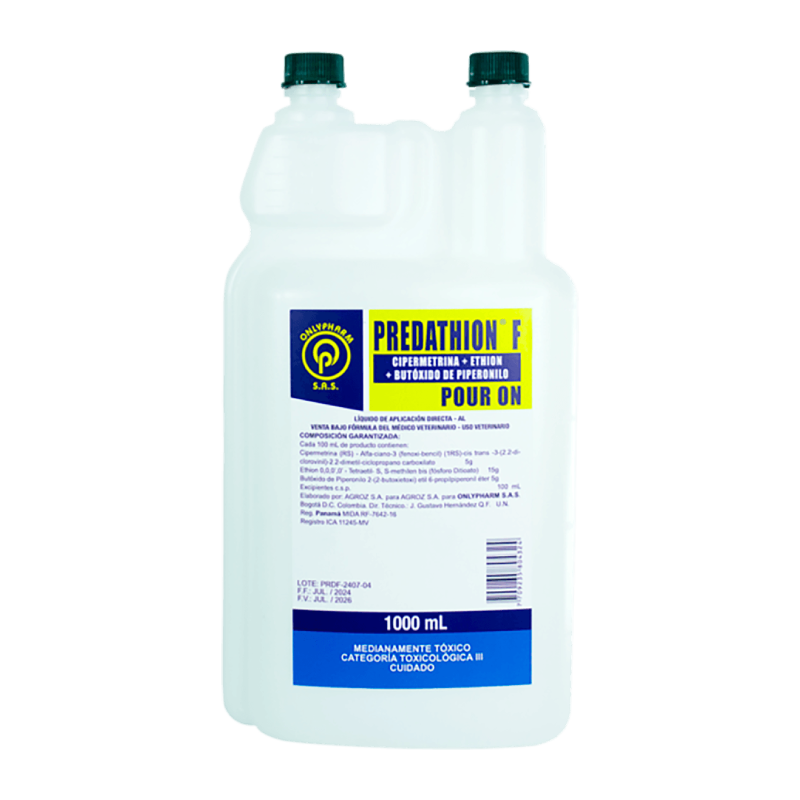
Predathion F