
Why Early Wound Care Is Critical in Livestock
Screwworm is a serious condition that can quickly affect animal health and productivity, especially in tropical environments like Belize where flies are constantly present.
What is screwworm?
Screwworm (myiasis) occurs when flies deposit larvae in open wounds. These larvae feed on living tissue, causing:
• Tissue damage
• Pain and discomfort
• Secondary infections
• Loss of weight and productivity
If not treated early, the condition can worsen rapidly.
How does it start?
One of the biggest risks is that screwworm can begin from very small wounds, such as:
• Tick bites
• Branding or castration
• Minor cuts or injuries
These wounds attract flies, creating the perfect environment for infestation.
Why early action matters
Once larvae invade the tissue, damage progresses quickly. Delayed treatment can lead to:
• Deep wounds
• Severe infection
• Increased recovery time
• Economic losses
Proper wound management and immediate attention are key to preventing complications.
Practical recommendations
• Inspect animals regularly
• Treat wounds as soon as they appear
• Maintain good hygiene on the farm
• Reduce exposure to flies, especially in high-risk seasons
Final recommendation
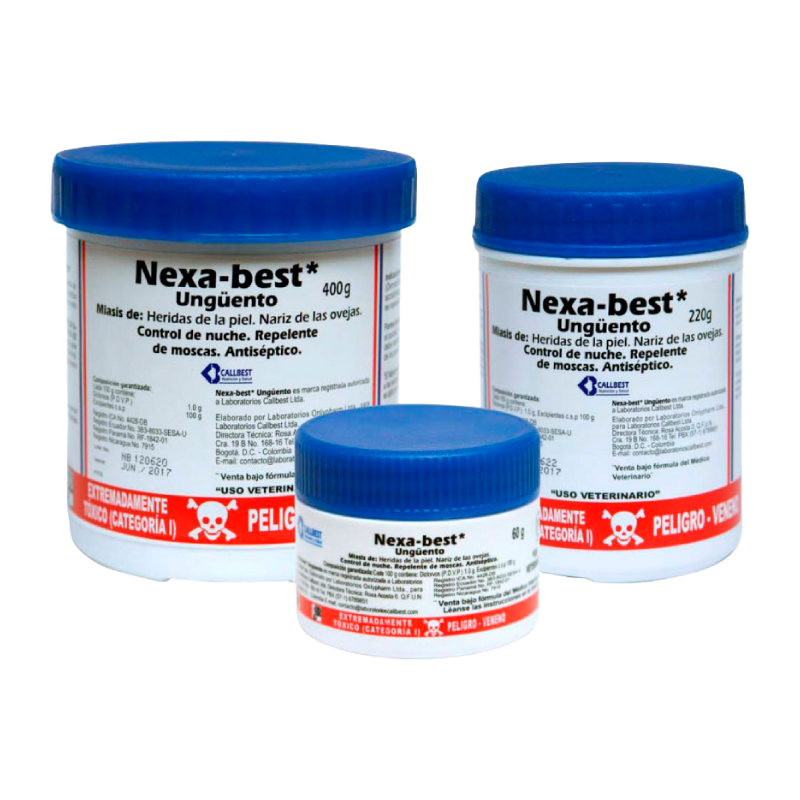
Effective control requires both treatment and prevention. Using a topical product that controls larvae, protects wounds, and repels flies is essential for fast recovery and avoiding reinfestation.
Recommended solution: NEXA-BEST®